Beyond Numbers: How Combining Journaling and Data Analytics Boosts Your Emotional Intelligence
A
ABY Team
ABY Team
Mindful Read
💌
Stay in the know
Receive thoughtful insights on mindful living, delivered with intention.
Receive thoughtful insights on mindful living, delivered with intention.
Receive thoughtful insights on mindful living, delivered with intention.
We track our steps, our sleep, our calories—turning everyday life into data points. Bryan Johnson type of people of The Quantified Self movement, are all about “knowing yourself through numbers.” And they’ve given us solid tools to optimize our physical health.
But what about our inner world?
This is the next wave of personal tracking: a smart blend of Quantified Self tools and emotional intelligence. And the key that connects them isn’t some futuristic gadget—it’s an old-school habit reimagined for now: journaling.
The Quantified Self movement—started in 2007 by Gary Wolf and Kevin Kelly—helped people use personal data to improve their lives. But here’s the thing: numbers alone don’t tell the whole story.
Your fitness tracker might show your heart rate spiked at 2 p.m., but it won’t tell you why. Maybe it was that passive-aggressive email from your boss.
That’s where emotional intelligence (EQ) comes in—your ability to recognize, understand, and manage your emotions. And it’s just as important (and trackable!) as your steps or sleep.
Neuroscientist Antonio Damasio showed that emotion and logic are connected. Good decisions don’t come from ignoring your feelings—they come from understanding them.
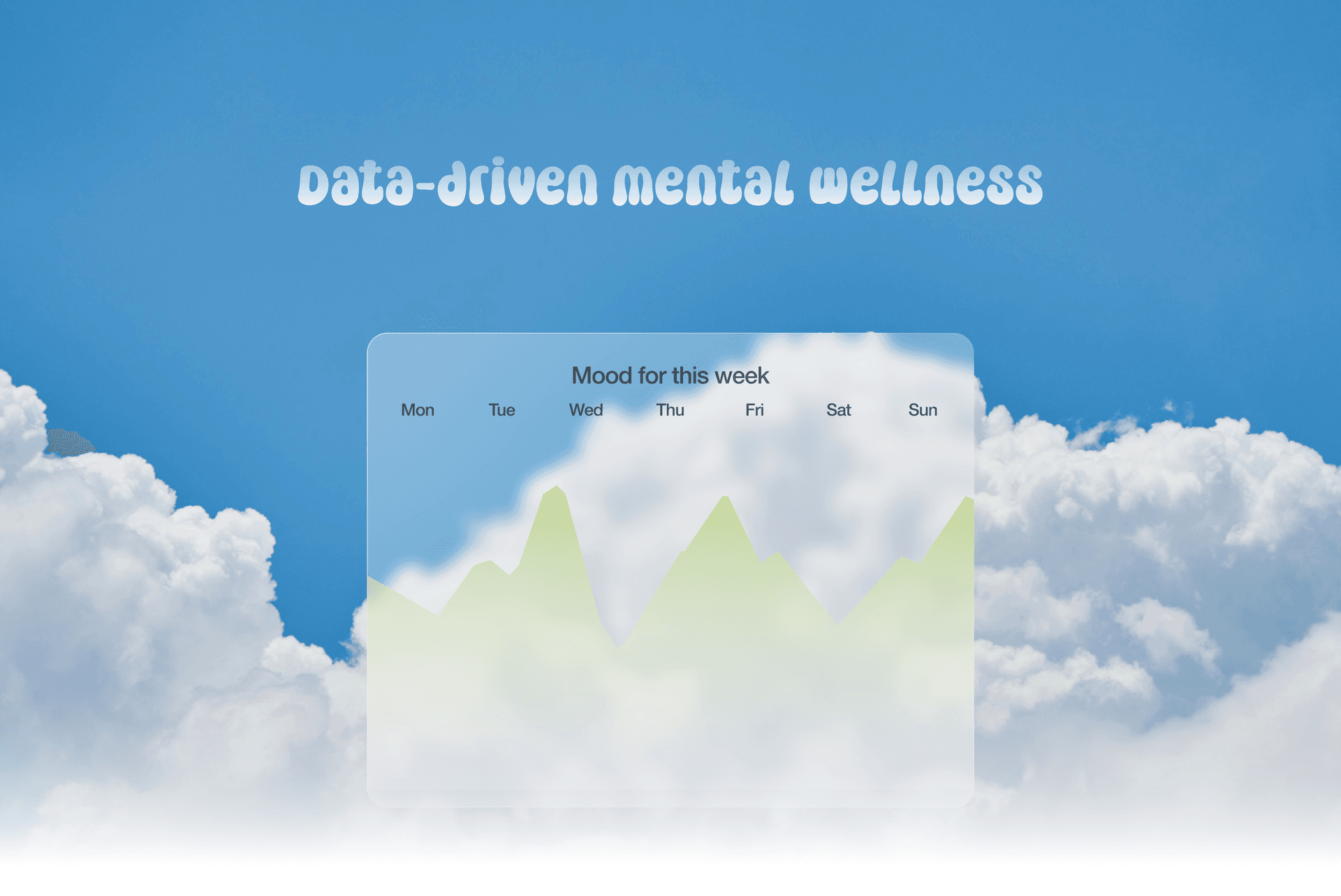
So when you start tracking both your physical and emotional patterns, everything clicks. You can connect the dots—why your energy dipped, why your motivation spiked—and actually turn all that data into a real personal story.
That’s how you shift from just tracking your life… to actually understanding it.
If data from wearable devices represents the "what," then journaling explains the "why."
It adds the emotional context that your sleep or fitness tracker can’t capture. When you combine journal entries with data from your health apps, you unlock insights that numbers alone can’t explain.
Journaling directly improves the key skills of emotional intelligence:
When you treat your journal like a data source, real growth starts to happen. Here’s how it plays out in real life:
These stories prove that your biggest insights come when you pair hard data with self-reflection.
Sorting through months of notes and health data?
Overwhelming.
That’s where AI journaling tools step in. Think of it as your personal mental health analyst that connects the dots for you.
Here’s what modern AI can do:
This isn’t sci-fi. It’s here.
AI journaling is turning our messy thoughts and numbers into something we can actually use.
The future of self-tracking isn’t just about steps or hours slept—it’s about understanding why you feel how you feel. And journaling, powered by AI, is the tool to get you there.
Combining your health data with emotional reflection gives you the full picture of your life. Your mood isn’t random. Your stress isn’t meaningless. It all connects. And now, you can see those connections clearly.
So start small: write one journal entry tonight. Log how you’re feeling. Pair it with your sleep or step data. That’s all it takes to begin creating a version of you that’s more self-aware, more in control—and way more resilient.
Your future self? They’re gonna love you for it.
More reflections to inspire your path